Jeunes Chercheurs Home | Analyse Cellulaire | Purification ADN et ARN | PCR et qPCR | Expression et Purification Protéine | Clonage et Transfection
Nos ressources sur le Clonage et la Transfection
Découvrez toutes nos ressources dédiées au clonage et à la transfection pour les jeunes chercheurs.
Les outils qui modifient les acides nucléiques constituent la base de nombreuses techniques de biologie moléculaire telles que le clonage. venez découvrir tous nos outils utiles !
La transfection est un procédé qui permet d'introduire des acides nucléiques dans les cellules eucaryotes. Découvrez également nos astuces et articles scientifiques à ce sujet.
Découvrez nos ressources sur la transfection en Français
8 Astuces Pour Réussir vos Transfections !
Dans votre laboratoire, chacun a son protocole pour les expériences de transfection ? Pour être certain de réussir, voici 8 astuces en or.
[Infographie] 8 astuces pour réussir sa transfection
Adoptez la bonne méthode pour être certain de réussir et téléchargez notre infographie pour découvrir 8 astuces en or !
Retrouvez nos Ressources sur le Clonage en Anglais
Retrouvez plus de ressources sur le Clonage et Transfection en anglais dans notre " Student Ressources"
Nos ressources pour jeunes chercheurs en anglais regroupent de nombreux articles, vidéos et astuces très utiles et pratiques. A consommer sans modération
Découvrez nos webinars en anglais
Découvrez nos articles scientifiques : Transfection & Clonage
Improving the success of your transfection
Not every lab has a tried and true transfection protocol that can be used by all lab members. Few researchers will use the same cell type and same construct to generate data. Many times, a scientist may need to transfect different constructs or even different molecules (e.g., short-interfering RNA [siRNA]) into the same cell line, or test a single construct in different cultured cell lines.
Lire l'article ›
General Considerations for Transfection
Many studies, from reporter assays to protein localization to BRET and FRET, require successful transfection first. Yet, transfection can be tricky and difficult. There are many considerations when planning transfection of your cells including reagent selection, stable or transient experiment, type of molecule and endpoint assay used. Here we discuss these considerations to help you […]
Lire l'article ›
The Keys to Successful Transfection
Transfection, like many techniques in the lab, can be an art, especially for stubborn cell lines. To maximize transfection efficiency, you must have the right conditions and, for some cell lines it seems, the right touch. If you’re lucky, you are working with less finicky cells that transfect well regardless of conditions. If you’re not […]
Lire l'article ›
Protocoles pour optimiser vos transfections
Transfection is a method that neutralizes or obviates the issue of introducing negatively charged molecules (e.g., phosphate backbones of DNA and RNA) into cells with a negatively charged membrane. Chemicals like calcium phosphate and DEAE-dextran or cationic lipid-based reagents coat the DNA, neutralizing or even creating an overall positive charge to the molecule (Figure 12.1). This makes it easier for the DNA:transfection reagent complex to cross the membrane.
Lire l'article ›
Reverse Transfection Using FuGENE® 6 and FuGENE® HD
In reverse transfection protocols, cells are added directly to a plate containing the transfection reagent:DNA mixture and then assayed on the second day. This approach reduces the experimental time by a day compared to standard transfection protocols. Reverse transfections are rapid, convenient and easily automated, and are frequently used for high-throughput experiments. We tested the ability of FuGENE® 6 and FuGENE® HD to “reverse” transfect three cell lines and ...Lire l'article ›
Optimize Transfection of Cultured Cells
Protein expression from plasmid DNA transfected into cultured cells is a powerful tool to study protein function and monitor intracellular events. Optimal protein expression and cell viability require optimizing transfection conditions. We discuss how to optimize transfection conditions using FuGENE® HD Transfection Reagent and the factors that are most likely to influence success. Lire l'article ›
From Napkin Sketch to “Custom Kit”: CloneWeaver® Workflow Builder Gets Your Cloning Organized
Let’s face it, most lab techs and purchasing agents aren’t all that happy when you send them an Instagram picture of your latest lunchroom-napkin cloning strategy as your order form for your next big cloning experiment. So we have created the CloneWeaver® Workflow Builder. You can transfer your brilliance easily from that lunchroom napkin to […] Lire l'article ›
PCR Cloning: Answers to Some Frequently Asked Questions
Everything you have ever wondered about PCR cloning Lire l'article ›
Troubleshooting T-Vector Cloning
Why do so few of your clones contain your PCR product of interest ? Lire l'article ›
Outils de Sélection

Votre Assistant Transfection
The Transfection Assistant helps you optimize transfection protocols using information from the published literature. It provides information on transfection of specific cell types, including the amount of nucleic acid and ratio of reagent:nucleic acid used for specific plate formats, and provides links to the primary literature.
FuGENE® HD Protocol Database
The FuGENE® HD Protocol Database is a collection of protocols that guide the transfection process for a variety of cell lines.
CloneWeaver® Workflow Builder
Powering Your Cloning Workflow
Molecular Cloning is the process of producing recombinant DNA and transforming into host organisms to replicate and make more copies. Every cloning project is unique.
Restriction Enzyme Tool
Ready to start?
Check out these tools, which can help you prepare for every step of cloning.
Découvrez nos astuces en Clonage et Transfection en français
Formation
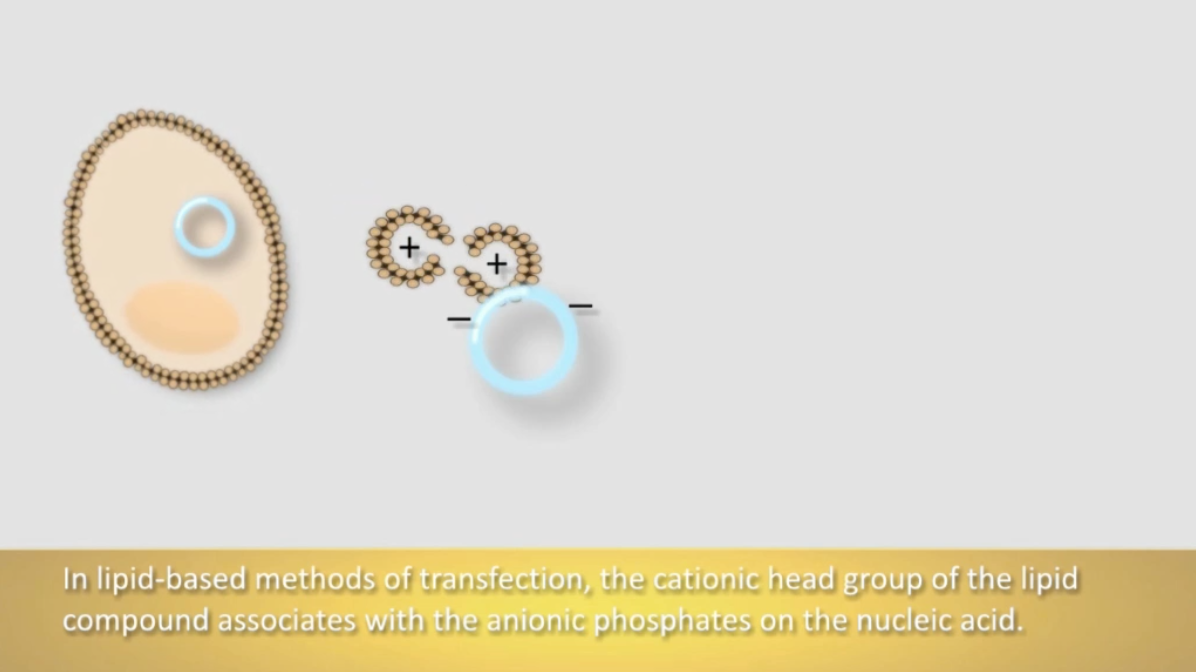
Introduction à la transfection
La transfection est un procédé qui permet d'introduire des acides nucléiques dans les cellules eucaryotes en minimisant les effets indésirables tels que la cytotoxicité, modification de l'expression de gènes ou la mort cellulaire.
Prix National Jeunes Chercheurs
Le prix National Jeunes Chercheurs décerné par Promega récompense les meilleurs articles / communication scientifiques qui utilisent une technologie Promega et mettant en avant une application / méthodologie novatrice.
Participation financière allouée au choix ( cumulable à hauteur du prix)
- des bons d'achats de produits Promega
- une publication dans une revue scientifique de renommée internationale
- inscription à un congrès
Vous avez besoin d’aide ou d’informations sur le Clonage ou la Transfection
N’hésitez pas à contacter notre service technique