Jeunes Chercheurs Home | Analyse Cellulaire | Purification ADN et ARN | PCR et qPCR | Expression et Purification Protéine | Clonage et Transfection | Ressources en Bioluminescence
Nos ressources sur la Bioluminescence
Découvrez nos ressources dédiées à la bioluminescence pour les jeunes chercheurs. En 2021, nous célébrons les 30 ans de la Luciférase chez Promega !

>>> À télécharger
Lumit™ épisode 2 : Caractériser des anticorps thérapeutiques rapidement avec Lumit™ FcRn Binding Immunoassay
Lumit™ épisode 3 :Détecter les évènements de phosphorylation cellulaire avec la plateforme Lumit™
Lumit™ épisode 4 : Les immunoessais Lumit™ pour l’étude du SARS-CoV2
Lumit™ épisode 5 : Comment développer son propre immunoessai avec Lumit™ ? Cas pratique des cytokines

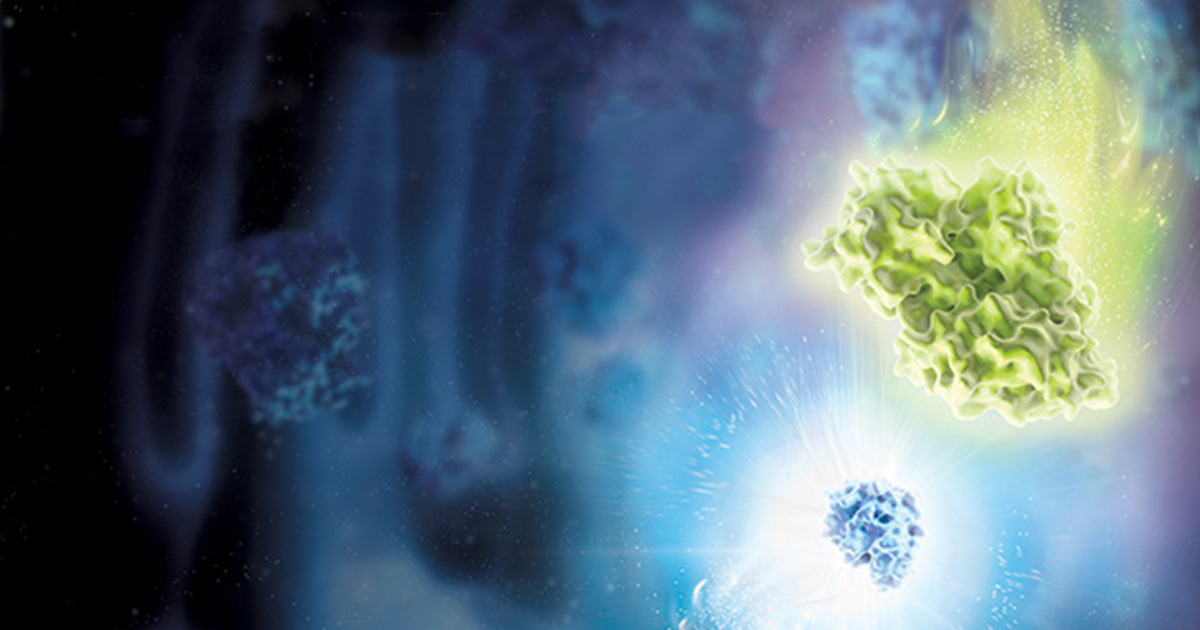
Shining Light on Molecular Darkness
Things that glow are cool. I'm still delighted every time I see the fireflies come out on a warm summer evening. It turns out that bioluminescent organisms do much more than provide idle joy. For scientists, they are biological lamps that can be used to illuminate the darkest corners of molecular machinations.
Lire l'article ›
The Work of Emmett Chappelle: Lighting Up the Search for Extraterrestrial Life
What do the workings of red blood cells, ensuring breathable air for astronauts, and scraping soil off NASA’s Viking spacecraft have in common? The sharp thinking of biochemist Emmett Chappelle.
Lire l'article ›
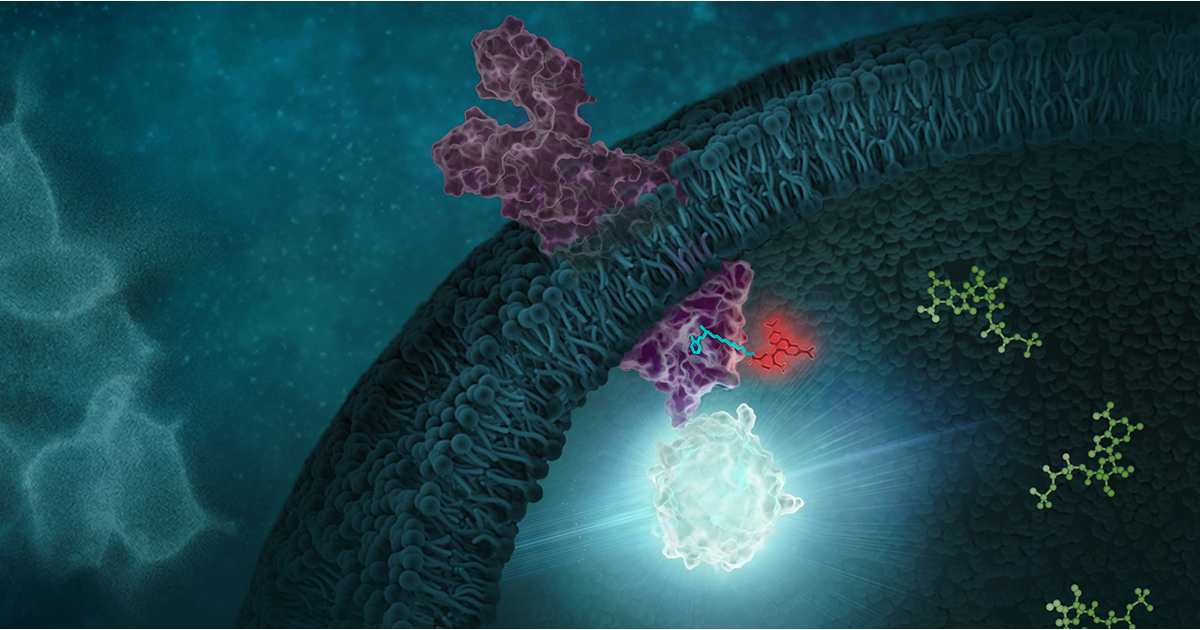
The Path Brightens for Vaccine Researchers: Luminescent Reporter Viruses Detect Neutralizing Antibodies
Developing a vaccine that is safe, effective, easily manufactured and distributed is a daunting task. Yet, that is exactly what is needed in response to the COVID-19 pandemic.
Lire l'article ›
A Bioluminescent Biosensor for Detection of Mycotoxins in Food
Food contamination is a serious global health issue. According to the WHO, an estimated 600 million, almost 1 in 10 people globally, suffer from illness after eating contaminated food—and 420,000 die. Developing new technologies for more effective testing of food contaminants can help reduce that number and improve public health.
Lire l'article ›

Comment choisir le meilleur vecteur luciférase pour votre expérience?
Vous pourrez sélectionner votre vecteur en choisissant le type de promoteur, l’application qui vous intéresse (imagerie par ex), le marqueur de sélection ou le type de luciférase.

La NanoLuc au service de la détection des micropolluants de l’environnement
>>>Lire le témoignage
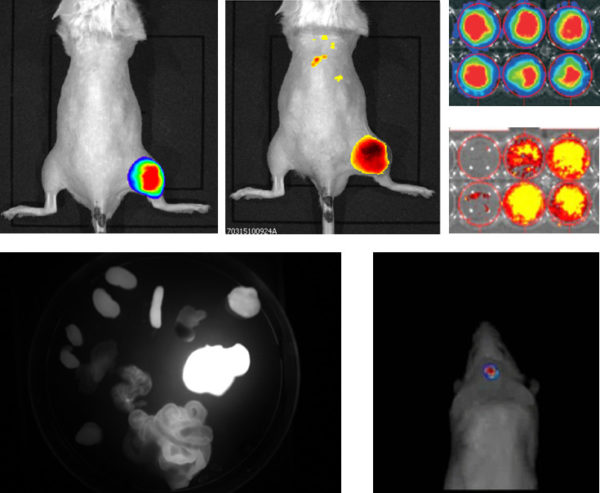
Les luciférases pour étudier les tumeurs et métastases en modèle animal (souris)
>>> Lire le témoignage
L’approche NanoBiT pour suivre l’ubiquitylation des protéines dans la levure